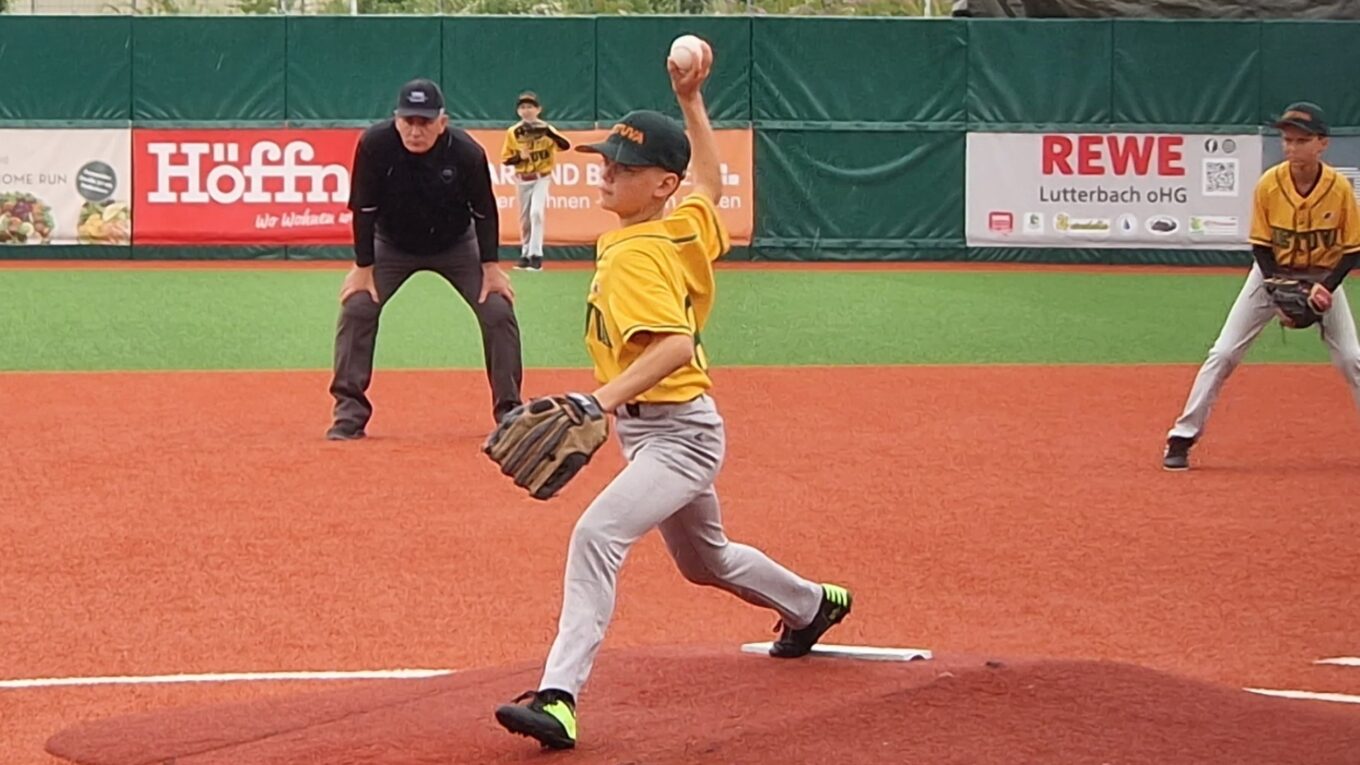
European Youth Baseball Scouting Shifts Toward Projection
European Youth Baseball Scouting Puts Development Markers Ahead of One Result
European youth baseball scouting is moving away from judging prospects by one line in a box score. Continental tournaments bring together academy players from different national systems, which gives evaluators a chance to compare mechanics, decision-making and adaptability under the same competitive pressure. The final stages are especially useful because fatigue and stronger opposition expose habits that may remain hidden in early games.
Projection Matters More Than a Single Tournament Line
A young player can produce a strong result without yet showing a skill that will hold at senior level. Scouts therefore look for repeatable movement, body control and decisions that can survive harder competition. A pitcher who throws fewer strikes but repeats a clean delivery may project differently from one who gets outs with a pattern that older hitters are likely to punish.
The same distinction applies to hitters. Contact against one pitching style is useful, but recognition across several arsenals tells more about how the player may develop.
Age-group competition also gives evaluators a chance to compare players who developed under different national systems. One academy may emphasize early strength work, while another gives more time to movement quality and game repetition. The tournament places those methods on the same field and shows which skills transfer when the player faces unfamiliar opponents.
Pitching Evaluation Now Includes Workload and Delivery Quality
Velocity remains visible, but youth evaluation has become broader. Coaches want to know whether a pitcher can repeat his release point, recover between appearances and hold mechanics when the inning becomes stressful. Workload management also matters because tournament schedules can tempt teams to use the same successful arm too often.
These concerns connect directly with the Czech academy pathway, where structured development tries to move players toward senior competition without separating technical work from game experience.
A useful scouting view can be grouped into a few practical markers before the box score is considered.
Scouts also watch how quickly a player changes after failure. A hitter who chases the same breaking ball in three consecutive at-bats is showing something different from one who recognizes the pattern and adjusts in the next plate appearance. The result of the second at-bat may still be an out, but the decision can be more informative than the box score.
- Repeatable mechanics that stay stable when fatigue increases.
- Pitch recognition and swing decisions against unfamiliar arsenals.
- Defensive footwork that supports clean throws under time pressure.
- Recovery habits that allow performance to hold across several tournament games.
Defensive Movement Reveals More Than Highlight Plays
A spectacular catch can attract attention, but evaluators also watch the first step, body position and choice of throw. Those details are easier to project because they appear on routine plays as well as difficult ones. A shortstop who consistently arrives under control may offer more long-term value than one who relies on athletic recovery after a poor read.
Pre-pitch positioning adds another layer. Youth players who understand game context can adjust before contact instead of reacting only after the ball is hit.
Communication matters on defence because youth tournaments often mix pressure with limited preparation time. Infielders and outfielders need clear responsibility on relays, pop-ups and force plays. A player who communicates early reduces confusion for everyone around him. That habit can scale into senior baseball even before physical development is complete.
Tournament Pressure Shows Which Habits Survive
The final rounds reduce recovery time and raise the level of opposition. That environment can expose whether a player maintains strike-zone discipline, defensive communication and pitching tempo after several days of competition. Consistency becomes part of the evaluation because senior baseball demands more than one sharp appearance.
This is why international showcase events also emphasize performance across multiple games. Both settings reveal whether the player can carry a useful skill into a new opponent, a new role or a tired body.