European Baseball Championship Sets a Higher Standard
European Baseball Championship Depth Starts With Two Established Programs
The European Baseball Championship remains the main continental test for senior national teams, and the Netherlands and Italy continue to set much of its competitive standard. Both programs draw from mature domestic leagues, established coaching systems and players with experience outside Europe. That depth matters in a tournament where group play quickly gives way to elimination pressure. The championship also shows how the gap is narrowing as Czechia, Germany, Spain, France and Great Britain strengthen their own development structures.
Domestic Leagues Feed the Strongest National Rosters
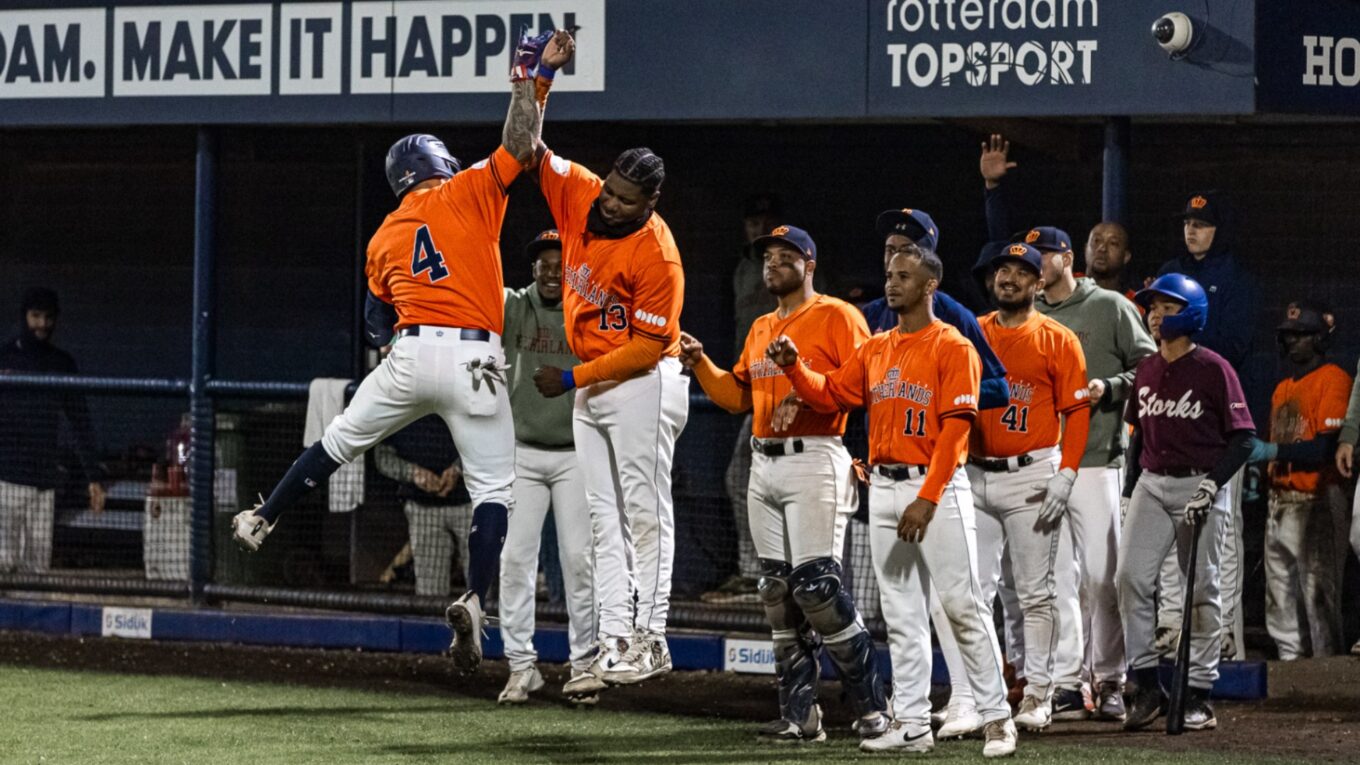
The Netherlands benefits from the Honkbal Hoofdklasse, where players face a demanding domestic schedule before international selection. That league supplies regular game exposure and keeps national team candidates in a competitive environment between major events. Italy follows a similar route through Serie A Baseball. The domestic base gives both federations a deeper pool of pitchers, position players and coaches who already understand tournament baseball before joining the national setup.
Those systems also make it easier to absorb players who return from professional leagues in North America or Asia. International experience can raise the level of a roster, but it works best when the surrounding group already has strong tactical habits. That balance helps explain why the two programs have remained prominent while the broader continental rivalry structure continues to evolve.
Depth also changes how managers approach the opening games. A team with several trusted starters can avoid overusing one arm in the group stage and keep better options available for elimination rounds. That flexibility matters when weather, extra innings or an unexpectedly difficult opponent alters the original pitching plan. The championship rewards teams that can absorb those disruptions without forcing one player into a workload the staff did not intend.
Tournament Format Rewards More Than One Strong Lineup
A European championship is rarely decided by one excellent starter or one productive batting order. Group stages force teams to manage several games in a short period, so pitching depth, bench usage and recovery plans become important early. Once the knockout rounds begin, every mistake carries more weight. Teams that arrive with only a narrow group of reliable arms can lose flexibility before the decisive games start.
This structure creates opportunities for improving national programs. Czechia has built continuity through youth development and domestic competition, while Germany and Spain have invested in league infrastructure and coaching. France and Great Britain add further pressure to the field. The result is a championship where established powers still carry advantages, but fewer games can be treated as routine.
The domestic calendar helps prepare position players in the same way. Regular league games create repeated chances to handle bunts, hit-and-run situations and late defensive substitutions. Those details can look routine until an international game is decided by one base. Programs with a strong league base arrive with more shared experience in those situations, which makes communication faster when the pressure rises.
Czech Development Adds Pressure to the Traditional Order
Czech baseball is a clear example of how a smaller market can become more difficult to play against. Its youth pathway feeds players into the Extraliga and then into junior and senior national teams, creating continuity across age groups. The system gives developing players repeated exposure to tournament conditions rather than asking them to adjust only after they reach the senior level.
That progression is explored more closely in the Czech baseball academy system. Its importance at senior level is practical. A deeper national pool lets coaches make matchup changes without lowering the overall standard of the lineup, and it reduces the dependence on a small number of experienced players.
International Experience Changes Tactical Expectations
National teams increasingly include players who have competed in professional environments abroad. They return with different pitching patterns, defensive habits and approaches to plate discipline. That exchange changes how European teams prepare for each other because familiar domestic tendencies are mixed with methods learned in other leagues.
The competitive effect is cumulative. Strong domestic structures create a base, international experience adds another layer, and tournament formats test whether both can survive several games. The Netherlands and Italy remain useful benchmarks because they combine those elements consistently. Their position is strong, but the championship is becoming less forgiving as more programs build comparable depth.