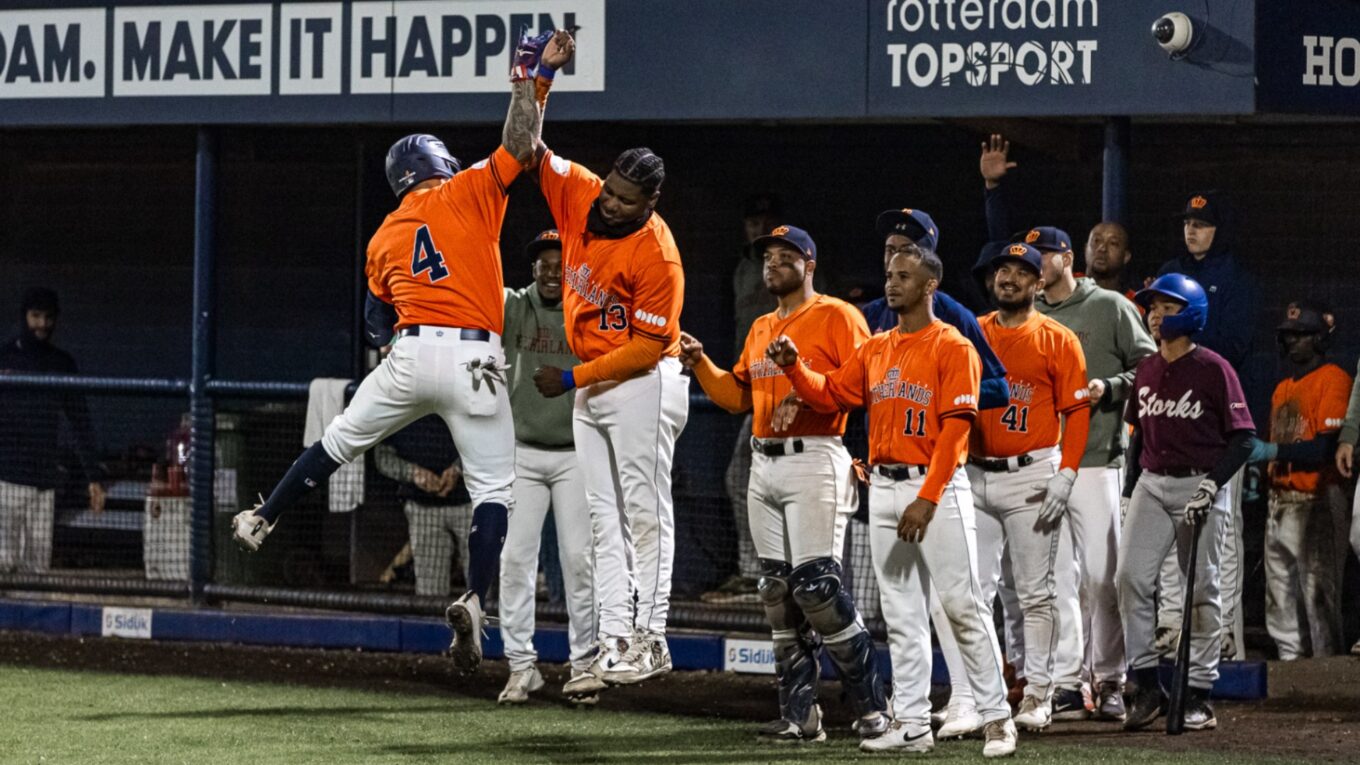
Netherlands and italy set the pace in european baseball championship competitionNex
The European Baseball Championship, organized under the governance of WBSC Europe, remains the central international competition for national baseball teams across the continent. The tournament brings together established programs such as the Netherlands, Italy, Czech Republic, Germany, Spain, France, and Great Britain, alongside other qualified national squads that advance through regional qualification systems.
Within this structure, the Netherlands and Italy have historically maintained a strong presence, supported by long-standing domestic leagues and extensive player development pipelines. The Netherlands national baseball program is closely tied to the Honkbal Hoofdklasse, the highest level of baseball in the country, which has produced a steady flow of players competing in both European and international professional environments. Italy’s national team draws heavily from the Serie A Baseball league system, which continues to serve as the country’s primary competitive platform for domestic athletes and dual-national players.
The European Baseball Championship format typically includes a group stage followed by playoff rounds, with teams progressing based on performance across multiple games against varied opponents. This structure allows for both traditional powerhouses and emerging programs to compete under comparable conditions, creating opportunities for shifting competitive balance over time.
In recent cycles of continental competition, attention has also been drawn to the Czech Republic, which has strengthened its position through consistent development at both youth and senior levels. Germany and Spain have similarly invested in expanding their domestic leagues, focusing on infrastructure, coaching systems, and increased participation in club-level European competitions organized under WBSC Europe.
Player participation in these tournaments often includes athletes active in professional leagues outside Europe, particularly in North America and Asia, who return to represent their national teams during international windows. This integration contributes to the competitive depth observed in European tournaments and influences tactical approaches across participating teams.